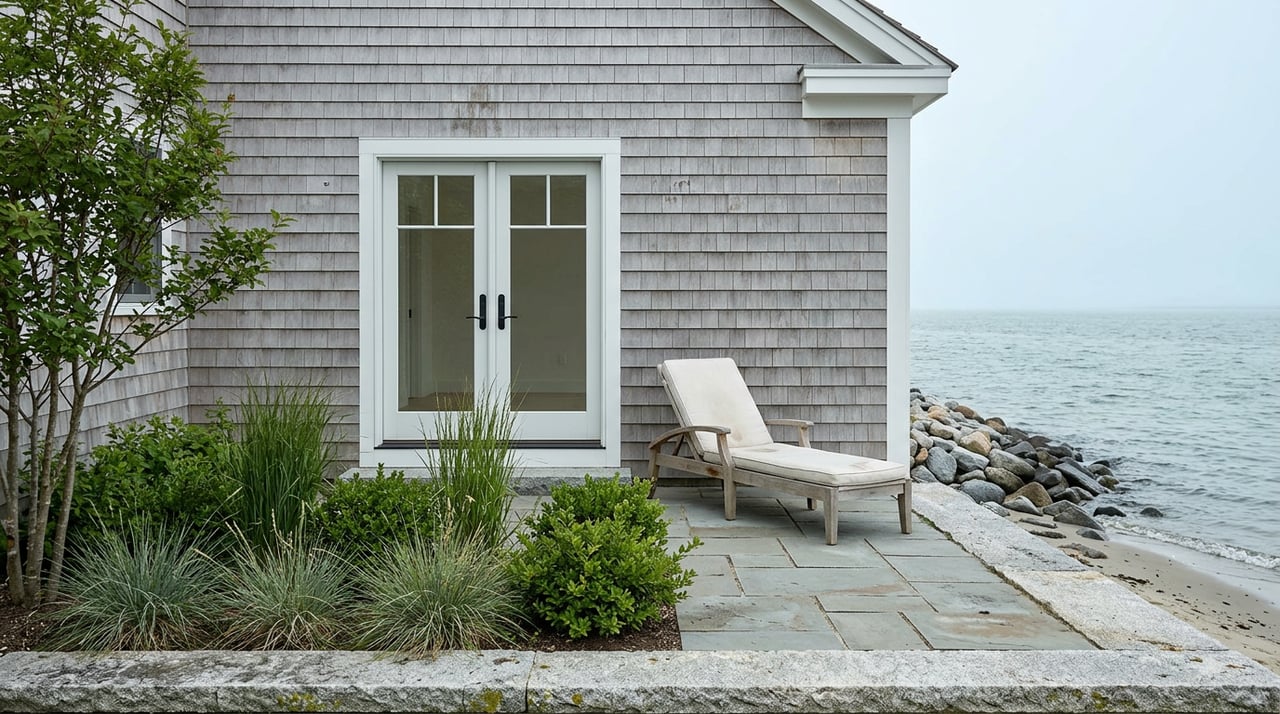
Salt air at sunrise. A small tender gliding across still water. If living on the water has always been your dream, Huntington Bay puts that lifestyle within reach while keeping daily life calm and refined. You want a clear picture of access, boating, beaches, and the rules that come with a shoreline address. In this guide, you’ll learn how waterfront living works here day to day, what to check before you buy, and how to make the most of each season. Let’s dive in.
Huntington Bay at a glance
Huntington Bay is a small, incorporated village on Long Island’s North Shore. It sits on East Neck between Huntington Harbor and the Centerport–Northport embayments within the Town of Huntington. The setting is protected and scenic, with a shoreline community that values access to calm water and village-level attention to quality of life.
Village governance is close to home. You have local oversight from the Village of Huntington Bay and coordinated services with the Town of Huntington, especially for shoreline and maritime matters. For village contacts, meeting information, and local codes, visit the Village of Huntington Bay.
Beach access: public vs private
The shoreline is a mix of town-run facilities, private clubs, small association beaches, and privately owned lots. That patchwork matters because it shapes your daily access to sand and swimming.
- Public access exists, and the main example on the bay is the town-operated Gold Star Battalion Beach and park. It offers seasonal hours, amenities, and resident and nonresident pass rules. You can review typical offerings and policies on the Gold Star Battalion Beach page.
- Much of the remaining shoreline is tied to homeowner associations and private clubs. Membership and residency often determine access, even when you can see beach on a map. If daily beach time is a priority, verify association rights with each property.
- Water quality advisories occur at times, usually after heavy rain. Before planning a swim day, check the latest posted notices from the Suffolk County Health Department.
The practical takeaway: you have paths to the water through town facilities and clubs, but day-to-day beach access depends on address, membership, and current advisories.
Boating culture and moorings
Boating sits at the heart of life in Huntington Bay and Huntington Harbor. Protected waters make it ideal for small- and mid-size powerboats and sailboats, and you will see an active junior sailing and club scene in the warmer months.
Administration matters for where you keep your boat and how you get to it. The Town of Huntington Department of Maritime Services manages mooring permits, kayak racks, launch services, and seasonal schedules. There are resident and nonresident fee categories, and some waiting lists apply. Review the Town’s current policies and calendar through Huntington’s Maritime Services.
There is also a local twist specific to the village. Huntington Bay maintains a Vessel Regulation Zone with mooring restrictions that prioritize village residents and members of certain waterfront homeowner clubs in defined areas. The code also bars mooring to structures not attached to village property and outlines penalties. If you plan to moor near your shoreline, read the Village mooring regulations and confirm how they apply to your address.
What this means for you:
- You may be able to moor in front of your home, use a town mooring with launch service, or join a club, depending on policy and availability.
- Start early for peak-season arrangements. Apply for or transfer moorings promptly and check on any waiting lists.
- Confirm which rules apply on both the village and town levels so you avoid surprises.
How homes connect to the water
Huntington Bay’s housing stock ranges from historic summer cottages and early 20th-century estates to mid-century waterfront homes and newer renovations. Several small enclaves carry historic character, and you will find properties with broad views, tree-lined approaches, and classic North Shore curb appeal.
The way each property “meets” the shoreline varies. Common features include bulkheads, private docks, association beach rights or stairs, and access to town moorings. Not every waterfront lot includes a dock or deeded mooring, and ownership or maintenance responsibilities can differ by parcel or association. If a dock or beach is central to your plan, verify what is included in title, what the HOA governs, and what permits are required for any changes.
Permits, flood zones, and building near the bay
Waterfront improvements come with added due diligence. Huntington Bay has a robust flood-damage prevention program aligned with FEMA maps and coastal building standards.
- Floodplain development permit. The village requires a permit, as-built elevation certificates, and engineering review for construction in designated flood zones. Review the Village flood damage prevention code and plan for related timelines and fees.
- Coastal high-hazard standards. In V or VE zones, design rules are more stringent. The code addresses elevation, foundations, and breakaway components, and it restricts the use of fill to elevate structures. Read the Village coastal construction standards early in your planning.
- FEMA mapping and insurance. Before you make an offer, look up the exact address on FEMA’s Flood Map Service Center to confirm zone and base flood elevation. Start here: FEMA Flood Map Service Center. Your flood zone and elevation will affect both design choices and insurance costs.
Budget for professional surveys, potential mitigation, and engineering review when you renovate or build. A little planning upfront saves time and expense later.
Daily rhythm and seasons
Shoreline life in Huntington Bay follows the seasons. Activity spikes from late spring through early fall when launch services operate most days, marinas are in full swing, and club calendars fill with regattas and training programs. Off-season is a quieter time for walks, maintenance, and interior projects.
Residents value a small-community feel with quick access to the water, nearby parks, and Huntington’s cultural amenities. The village’s own policing and governance add to that sense of order and calm.
Environmental stewardship and water quality
Local partners work to keep these waters healthy. Community groups and volunteers have supported projects like oyster reef and shellfish restoration in the Huntington–Northport system, which can improve nearshore water quality over time. For a window into this type of effort, see regional coverage of oyster reef restoration work.
Even with stewardship, North Shore embayments can see bacterial advisories after heavy rain. If swimming and beach time are part of your routine, check recent notices from the Suffolk County Health Department before you go.
How Huntington Bay compares to nearby harbors
Huntington Bay and Huntington Harbor are among the North Shore’s more sheltered systems, which is why they are so popular for club sailing and family boating. Neighboring Centerport and Northport offer similar access and marina density. The functional differences usually come down to local mooring policies, channel depths, and how much shoreline is public versus association controlled. For navigation context and harbor characteristics, review Centerport Harbor’s overview, then compare it with how you plan to use your boat.
Buyer checklist for waterfront due diligence
Use this quick list to frame your conversations and inspections:
- Confirm water rights and structures. Ask if the property includes a bulkhead, dock, private beach rights, or a deeded mooring. Clarify who maintains each feature and what rules apply. The Village mooring regulations and Town Maritime Services are key references.
- Verify flood zone and elevation. Look up the address on the FEMA Flood Map Service Center, then request any existing elevation certificates or as-built documentation.
- Review permits and building standards. If you plan to renovate, read the Village flood damage prevention code and coastal construction standards. Build your budget around potential engineering and mitigation.
- Ask about sewer or on-site systems. Many older waterfront homes use cesspools or septic. Confirm system type, age, and likely replacement or hookup needs with the seller and municipality.
- Confirm municipal and district services by address. Boundaries can shift street to street, so use official maps and local records for precise confirmation.
- Track seasonal operations and advisories. If you plan to swim or keep a boat on a mooring, follow the Town’s seasonal launch schedules and check Suffolk County beach advisories after major rain.
Making the move
Waterfront living in Huntington Bay blends quiet, protected waters with a close-knit shoreline community. With the right plan for access, moorings, and permitting, you can enjoy the best of the bay in every season. If you want an experienced local advisor to help you evaluate properties, confirm rights, and manage the details that come with a shoreline home, connect with Scott Van Son to start a thoughtful conversation.
FAQs
What public beaches can you use in Huntington Bay?
- Gold Star Battalion Beach is the primary town-run option on the bay, with seasonal access and amenities listed on the Gold Star page; many other beaches are private or association controlled.
How do mooring permits work around Huntington Bay?
- The Town of Huntington administers mooring permits, fees, and launch services, while the Village of Huntington Bay sets local mooring restrictions in its Vessel Regulation Zone; review both the Town Maritime Services and the Village mooring regulations.
What should you check before renovating a waterfront home in Huntington Bay?
- Confirm your flood zone through the FEMA Flood Map Service Center, then read the village’s flood damage prevention and coastal construction codes to understand elevation and design requirements.
Does every waterfront property in Huntington Bay have a dock?
- No. Some lots have private docks or bulkheads, others rely on association beaches or town moorings; verify ownership, maintenance, and any permits tied to each feature before you buy.
How does water quality affect swimming plans in Huntington Bay?
- After heavy rain, Suffolk County may issue short-term bacterial advisories; check the latest county notices before heading to the beach, and follow local signage.