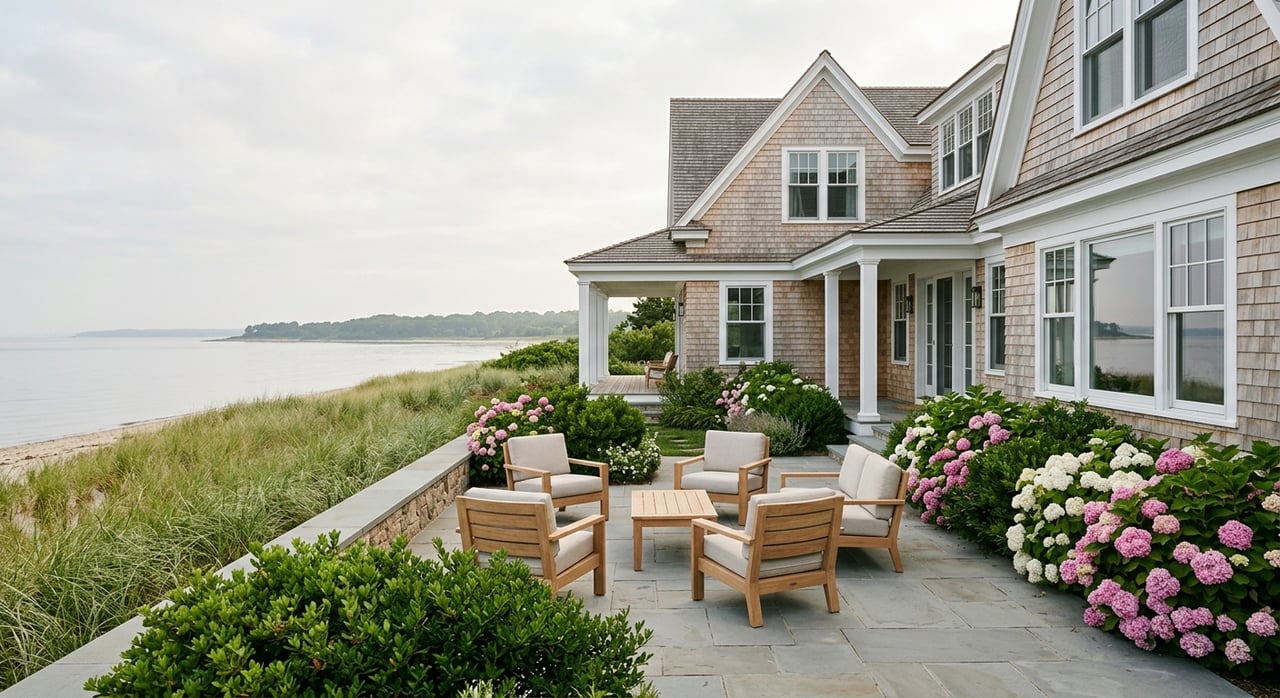
If your Halesite home has any connection to the water, buyers will notice it right away, or miss it entirely. That is why preparing your home for sale is not just about tidying up rooms. It is about helping buyers see the outdoor lifestyle, harbor setting, and everyday ease that make this part of Huntington so appealing. With the right prep plan, you can highlight those strengths clearly and confidently. Let’s dive in.
Why Halesite’s waterfront story matters
Halesite sits within the Town of Huntington on the North Shore, near the Nassau-Suffolk boundary, and its setting shapes how buyers experience the area. Huntington notes that the town includes five North Shore harbors, nine town beaches, three marinas, and active waterfront recreation tied to those assets.
That broader context matters when you prepare a home for market. Buyers are not only evaluating your house. They are also responding to the boating, marina, beach, and outdoor lifestyle that surrounds it.
Huntington’s Maritime Services department oversees beaches, waterfront parks, docks, piers, boat ramps, marinas, mooring permits, slips, launch services, and related waterfront facilities. Huntington also operates Halesite Marina, and the Harbormaster office is located in Halesite, which reinforces the area’s boating identity.
For many buyers, that means a Halesite listing should do more than show square footage and finishes. It should communicate how the home connects to the water-oriented character of the community.
Start with the lifestyle, not just the house
Nearly every buyer starts online, and early impressions shape whether they book a showing. Research from the National Association of Realtors says buyers’ agents place high value on listing photos, video tours, virtual tours, and staging.
That matters even more in Halesite. If your property offers harbor proximity, outdoor entertaining areas, or seasonal water views, those features need to come across clearly in both the home itself and the listing media.
Staging also helps buyers picture themselves in the space. NAR found that 81 percent of buyers’ agents said staging makes it easier for buyers to visualize a home as their future home, and 40 percent said buyers were more willing to walk through a home they first saw online.
In practical terms, you are not just preparing for an open house. You are preparing for the moment someone sees your home on a screen and decides whether it feels worth visiting.
Focus on curb appeal first
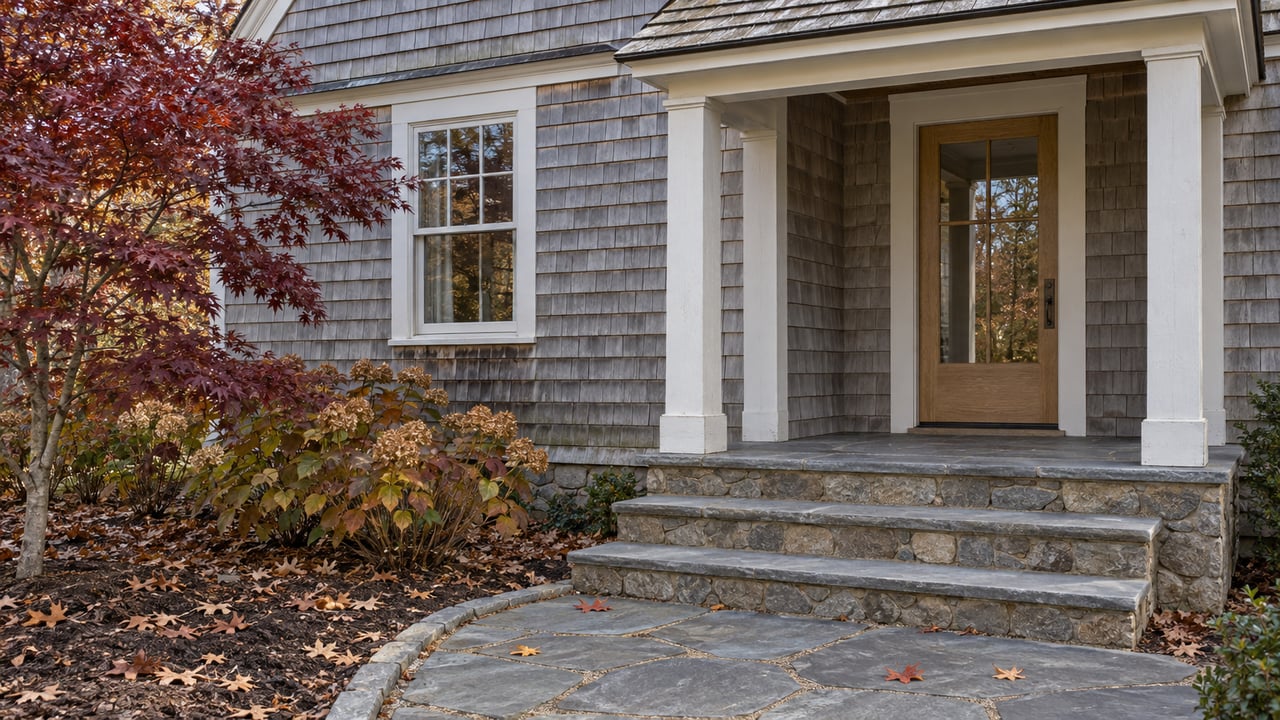
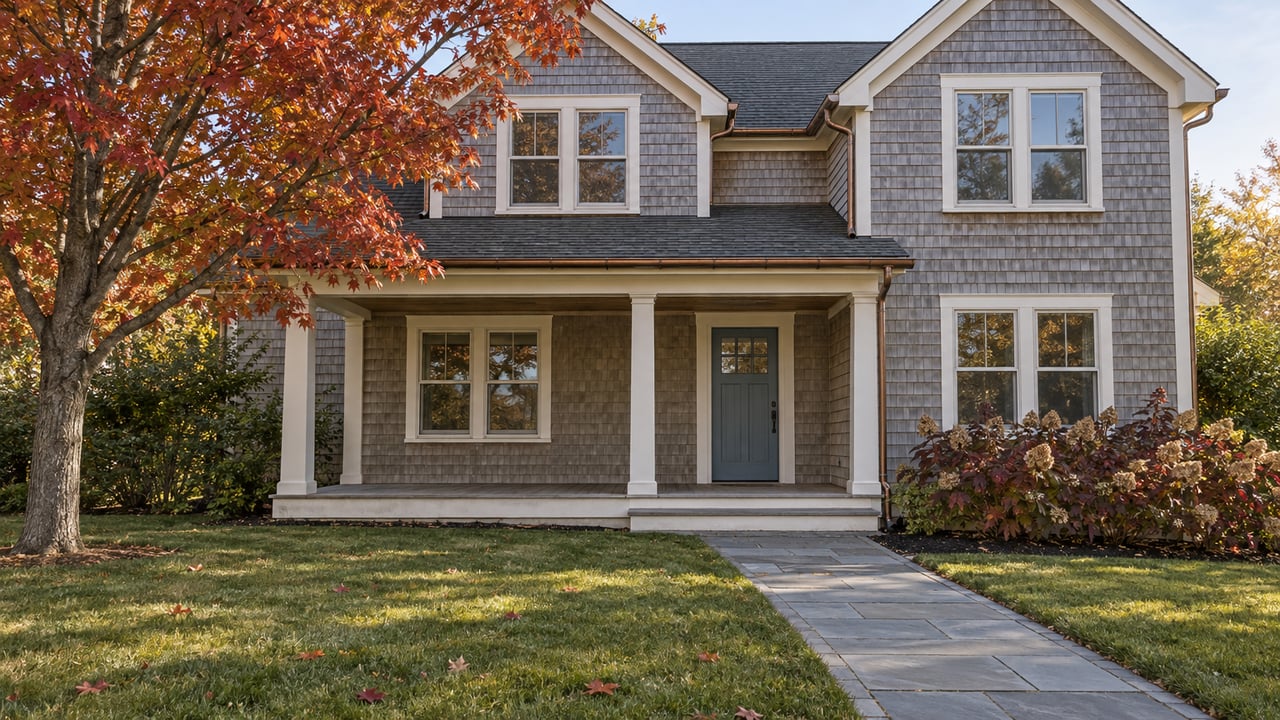
A waterfront lifestyle story starts before a buyer reaches the front door. NAR recommends reviewing the home from the street and checking landscaping, paint, roof condition, shutters, front door, windows, and even the house number.
Simple improvements can go a long way. Lawn care, crisp edging, pressure washing, exterior lighting, and a refreshed front entry can improve how buyers perceive the property before they ever step inside.
For a Halesite home, the outside should feel clean, calm, and well cared for. You want buyers to feel that the home fits naturally into its coastal setting, even if it is not directly on the shoreline.
Curb appeal priorities to tackle
- Trim overgrown shrubs and trees
- Clear walkways and refresh edging
- Pressure wash siding, steps, and patios where needed
- Repaint or touch up the front door and visible trim
- Clean windows thoroughly
- Update exterior lighting if fixtures look tired
- Make sure house numbers are visible and in good condition
Open up views and natural light
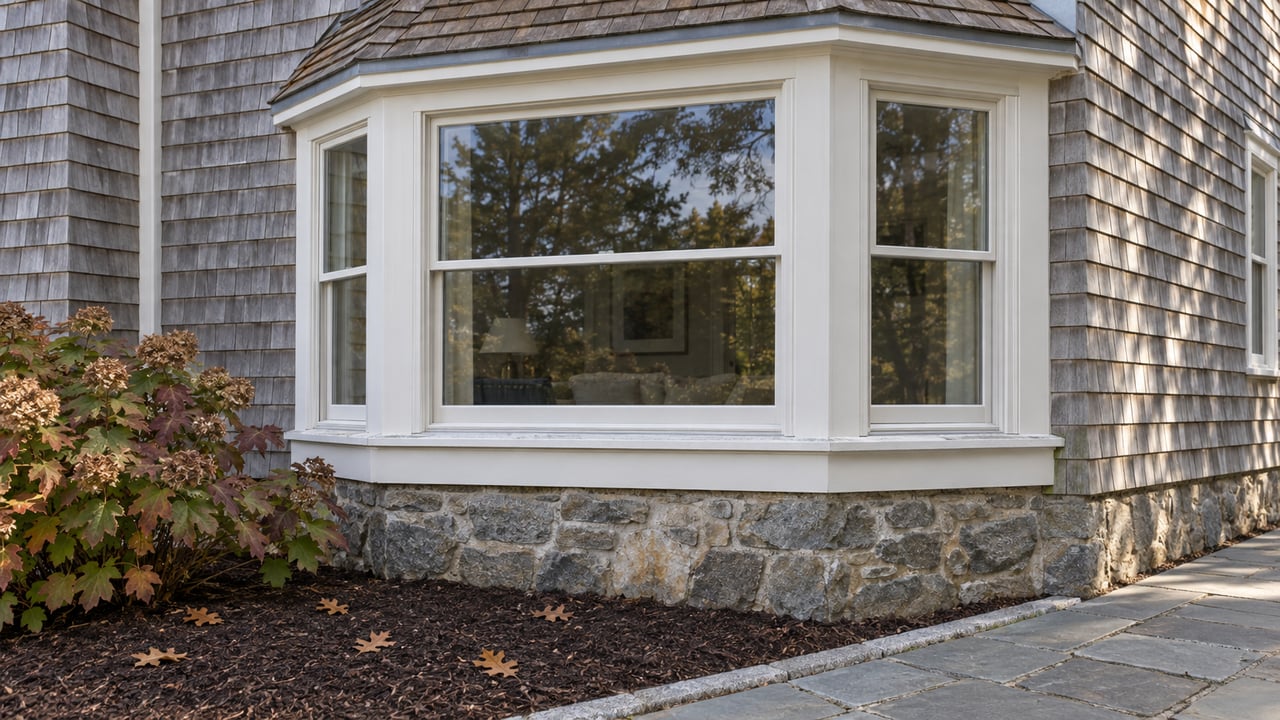
When buyers think about waterfront or water-adjacent homes, they often picture light, openness, and connection to the outdoors. NAR’s curb appeal guidance specifically notes that buyers want light and views rather than heavy drapes.
That means window treatments deserve attention. If curtains feel dark, bulky, or dated, they may compete with one of your home’s strongest selling points.
Look at each room from the perspective of sightlines. Ask yourself what the eye lands on first, and whether furniture, clutter, or heavy decor is blocking light or any outdoor focal point.
Ways to improve sightlines
- Remove heavy or overly formal drapes
- Clean glass inside and out
- Rearrange furniture that blocks windows
- Simplify decor near view corridors
- Use light, neutral window treatments if privacy is needed
Treat outdoor spaces like living space
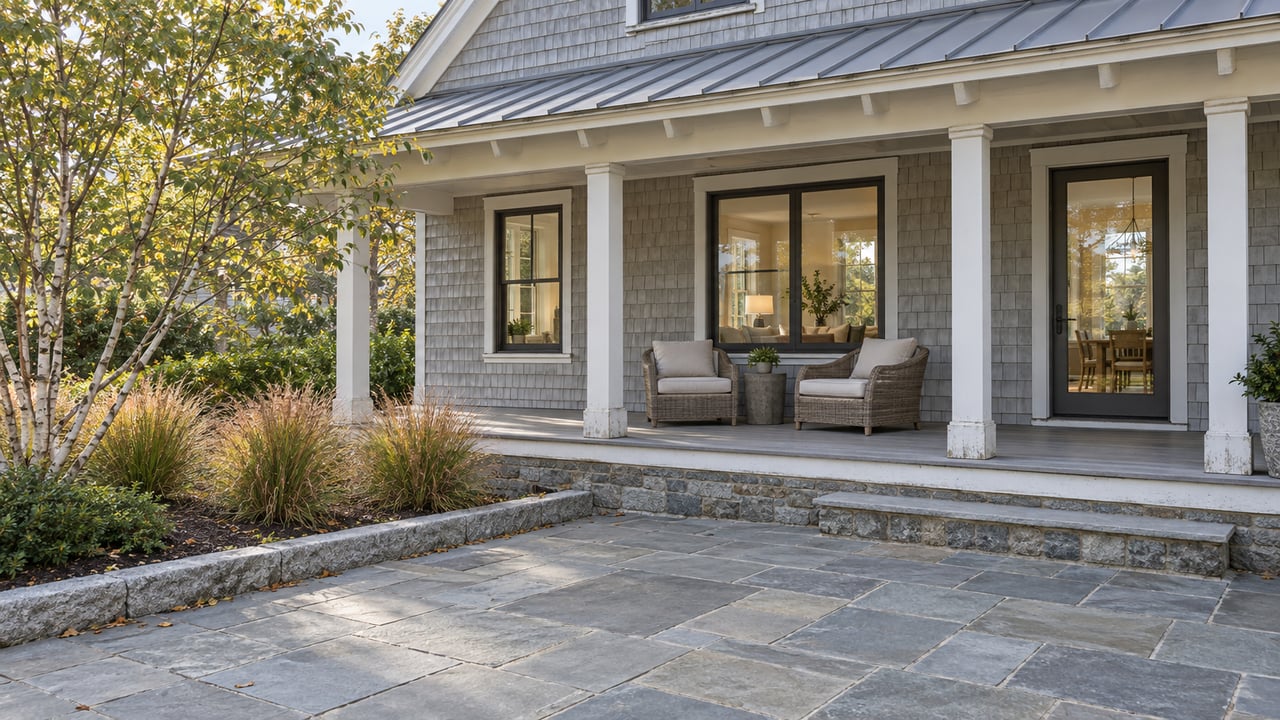
In a place like Halesite, outdoor areas often carry real emotional weight with buyers. Decks, patios, porches, and sitting areas can help a buyer imagine morning coffee, summer dinners, or relaxed evenings at home.
NAR’s staging research and 2025 staging coverage both identify outdoor spaces as important areas to stage. That makes sense for homes where exterior living is part of the value story.
Your goal is to make these spaces feel usable and intentional. Even a modest porch or patio can feel inviting when it is clean, styled simply, and arranged to show purpose.
Outdoor staging ideas for Halesite homes
- Set up a small dining area on a deck or patio
- Add neat seating that suggests conversation or relaxation
- Keep planters healthy and simple
- Remove worn furniture covers and broken accessories
- Store hoses, bins, and extra gear out of sight
- Keep railings, steps, and outdoor surfaces clean
If your property has a visible water relationship, be careful not to overstate it. The strongest presentation is honest and well framed, showing only the views and outdoor features that truly belong to the property.
Declutter the rooms buyers notice most
Inside the home, the main job is to reduce visual noise. NAR reports that the living room, kitchen, primary bedroom, and dining room are the rooms most commonly staged, which makes them smart places to focus first.
Buyers tend to respond best when spaces feel open, calm, and easy to understand. Too much furniture, crowded shelves, and full closets can make the home feel smaller and distract from its best features.
NAR also recommends keeping closets only half full. That small detail can make storage look more generous and organized.
Indoor prep checklist
- Remove excess furniture to improve flow
- Clear kitchen counters except for a few simple items
- Edit bookshelves and decorative surfaces
- Store personal photos and highly specific decor
- Keep closets neat and partly open in feel
- Touch up paint and handle small repairs
- Use light, neutral bedding and linens where possible
Plan updates over six to twelve months
If you have time before listing, a six- to twelve-month runway can be very helpful. It gives you space to phase improvements without rushing and to make smarter decisions about where your effort will count.
According to the research, budget-friendly updates that often help presentation include paint touch-ups, minor repairs, landscaping, and professional photos. These are usually the kinds of changes that improve first impressions without turning into a major renovation.
This timeline also helps if you are considering any work tied to shoreline access, docks, bulkheads, or similar features. In Halesite, it is wise to check local review requirements early before starting anything beyond cosmetic work.
Check waterfront-related rules early
For shoreline-adjacent properties, local rules can affect your timeline. Huntington says that properties in the Huntington Harbor Local Waterfront Revitalization Area may require a consistency determination before Town permits or approvals are granted.
If you are thinking about a dock improvement, bulkhead work, shoreline repair, or other non-cosmetic exterior project, check first whether the parcel is inside the LWRA. Huntington advises property owners to contact Maritime Services to confirm.
This is one of the easiest ways to avoid delays. Even if the work seems straightforward, early verification can help you avoid spending time or money on a project that needs additional review.
Understand flood map positioning before pricing
If your property has a waterfront or near-water relationship, flood information is worth reviewing early in the process. FEMA says the Flood Map Service Center is the official public source for National Flood Insurance Program flood hazard information, and NFIP requirements apply to Special Flood Hazard Areas shown on flood maps.
For sellers, that does not mean assuming there is a problem. It means understanding how the property is mapped before you make pricing decisions, discuss insurance expectations, or describe the home’s relationship to the water.
Having that clarity early can make buyer conversations smoother. It also helps you present the property with accuracy and confidence.
Build the listing around strong media
Because most buyers begin online, listing media should be treated as a central part of your prep strategy. NAR says staging can improve online photos, and buyers’ agents consistently rank photos and videos among the most important listing elements.
For a Halesite home, the photo plan should emphasize the home’s approach, outdoor living areas, and any real harbor or water views connected to the property. The goal is to show the full experience of the home, not just isolated rooms.
That means timing and preparation matter. A home that is camera-ready inside and out will almost always present better than one that relies on editing or last-minute cleanup.
Before photo day
- Finish decluttering completely
- Open blinds and curtains to maximize light
- Remove cars from the driveway if possible
- Hide trash bins, hoses, and yard tools
- Stage decks, patios, and porches before the shoot
- Make sure windows and glass doors are spotless
A thoughtful prep plan can strengthen your result
Preparing a Halesite home to capture waterfront lifestyle appeal is really about alignment. Your home, your presentation, and your marketing should all tell the same story about light, outdoor living, and the coastal character that draws buyers to this part of Huntington.
The good news is that the most effective improvements are often practical and manageable. Clean sightlines, stronger outdoor staging, polished curb appeal, accurate property positioning, and high-quality media can all work together to create a more compelling first impression.
If you are planning a sale in Halesite, a tailored strategy can help you decide what to improve, what to leave alone, and how to present the property with confidence. To start that conversation, connect with Scott Van Son.
FAQs
How should you prepare a Halesite home for waterfront lifestyle appeal?
- Focus on curb appeal, natural light, open sightlines, staged outdoor living areas, and clean online presentation that highlights any real connection to the water.
Why do outdoor spaces matter when selling a Halesite home?
- In Halesite, decks, patios, porches, and similar spaces help buyers imagine the boating, beach, and outdoor lifestyle associated with Huntington’s North Shore setting.
What rooms should you stage first in a Halesite home?
- The living room, kitchen, primary bedroom, and dining room are strong priorities because staging research identifies them as the most commonly staged spaces.
Should you check permits before improving a Halesite waterfront property?
- Yes. If work goes beyond cosmetic updates, Huntington says some properties in the Huntington Harbor Local Waterfront Revitalization Area may need a consistency determination before permits or approvals are granted.
Why should flood maps matter when selling a Halesite home?
- Flood map information can affect how you discuss the property’s relationship to the water, buyer expectations around insurance, and overall pricing strategy.
When should you start preparing a Halesite home for sale?
- A six- to twelve-month timeline can be helpful because it allows you to phase in repairs, landscaping, staging, and any needed waterfront-related checks before the listing goes live.