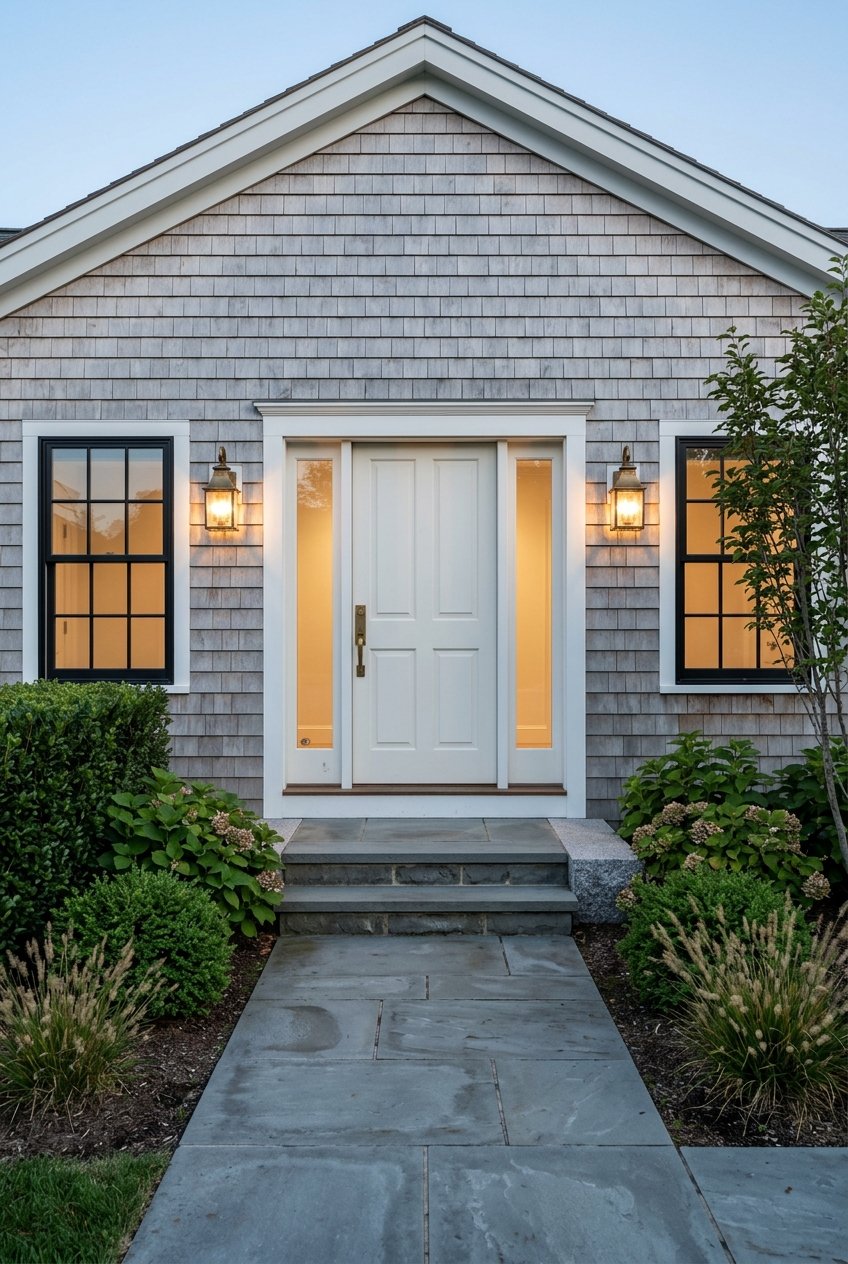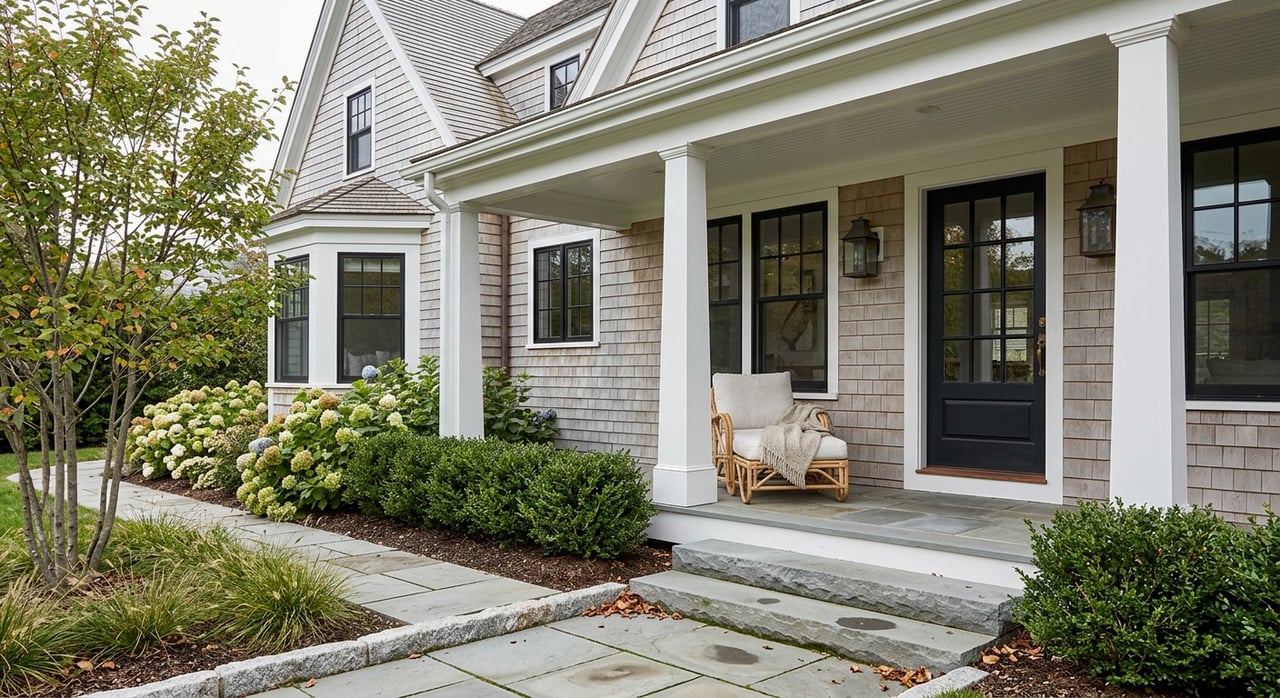
If you are thinking about selling your Huntington Station home, timing and preparation can shape both your stress level and your final result. Many local owners have held their homes for years, which means the selling process can feel like a big project with a lot of moving parts. The good news is that with a clear plan, you can make smart decisions before your home hits the market and avoid common delays later. Let’s walk through it step by step.
Know your local market timing
Before you pick a list date, it helps to understand what the market is doing right now in Huntington Station and the broader Suffolk County area. Huntington Station was classified as a seller’s market in March 2026, and homes were selling for about asking on average. Zillow’s April 30, 2026 home value index put the average home value in Huntington Station at $637,219, while Redfin reported a Suffolk County median sale price of $675,000 and an average 46 days on market in March 2026.
That does not mean every home will sell quickly or at any price. It does mean sellers still have leverage, especially when a home is priced from current comparable sales and presented well. If you are hoping to list in spring, it is wise to start several weeks early so you have time to prepare the home, gather documents, and plan your launch carefully.
Build your pre-listing timeline
One of the best ways to reduce stress is to break the process into phases. Instead of trying to do everything at once, move through the sale in a logical order. That approach gives you more control and helps you avoid last-minute decisions.
A practical seller timeline often looks like this:
- 6 to 8 weeks before listing: review pricing, walk through the home, and identify repairs or touch-ups
- 4 to 6 weeks before listing: declutter, deep clean, and confirm any permit-related questions
- 2 to 4 weeks before listing: complete disclosures and gather supporting documents
- 1 to 2 weeks before listing: finish staging, photos, and final prep for showings
- After launch: review feedback, compare offers, and manage the closing process
Focus on high-impact home prep
You do not need a full renovation to make your home more marketable. In many cases, the best return comes from simple, targeted work that makes the property feel clean, bright, and well cared for. That is especially true if you want to preserve your time and budget before listing.
A strong pre-listing plan usually starts with decluttering and deep cleaning. Buyers want to see space, light, and function. Removing excess furniture, personal items, and visual distractions can make rooms feel larger and easier to understand.
Staging can also help. According to NAR’s 2025 staging report, 29% of sellers’ agents saw a 1% to 10% increase in the dollar value offered when a home was staged, and 49% reported some reduction in time on market. Buyers also viewed the living room, primary bedroom, and kitchen as the most important rooms to stage.
That is why it makes sense to focus your effort on the rooms that shape first impressions. In most homes, the highest-priority spaces are:
- Living room
- Primary bedroom
- Kitchen
- Dining room
Keep the look simple and neutral. The goal is not to erase your home’s character. It is to help buyers picture the space clearly and notice the home itself rather than your personal belongings.
Check permits before repairs
If you plan to make repairs or cosmetic upgrades before selling, do not skip the permit check. In the Town of Huntington, permits may be required for work involving electrical, plumbing, regrading, retaining walls, sheds, solar panels, and residential alteration or minor character work. The town also states that building permits are required for construction, alteration, repair, modification, demolition, moving, or a change of use.
This matters because permit issues can become a problem during the transaction, especially when documents are reviewed later. If you are considering any pre-listing work, verify first whether a permit is required and whether past work on the property was properly documented. Taking care of that early can help prevent delays once a buyer is in the picture.
Gather disclosures early
In New York, seller disclosures are a major part of the pre-listing process. Beginning July 1, 2025, the Property Condition Disclosure Statement is required, and the seller must deliver the statement, or a copy of it, to the buyer or the buyer’s agent before the buyer signs a binding contract of sale.
It is important to treat this step seriously. The disclosure form is not a warranty, and it does not replace inspections. But knowingly false or incomplete statements may expose a seller to claims, so it is smart to work through the form carefully and early.
The current New York form asks sellers to think through many issues that can directly affect a sale, including:
- Shared walls, fences, or driveways
- Utility surcharges or association fees
- Certificates of occupancy
- FEMA floodplain or flood insurance status
- Prior flood assistance, flood claims, or elevation certificates
- Wetlands or landfill history
- Fuel storage tanks
- Asbestos
- Lead plumbing
- Radon testing
- Petroleum releases
- Indoor mold
- Rot or water damage
- Fire or smoke damage
Starting this checklist before photography and showings is a smart move. It gives you time to locate records, confirm details, and address questions before a buyer asks them.
Understand lead-based paint rules
If your home was built before 1978, there is another disclosure step to plan for. Federal lead rules require sellers of pre-1978 target housing to disclose known lead-based paint information, provide available records and reports, give buyers the lead pamphlet, include a lead warning statement in the contract, keep signed acknowledgments for three years, and give buyers a 10-day opportunity to test for lead.
For older homes in Huntington Station, this is not a minor detail. It should be part of your early document-prep process, along with the property condition disclosure. When you handle it upfront, you reduce the chance of scrambling once an offer comes together.
Price from current comparables
Pricing is one of the most important decisions you will make. In a seller’s market, it can be tempting to test a high number and see what happens. But local data suggests a more disciplined approach is usually the better strategy.
Because Huntington Station was still a seller’s market in March 2026 and homes were selling for about asking on average, realistic pricing matters. The strongest pricing plan is based on recent comparable sales, current competition, and your home’s actual condition. If you overshoot the market too far, you may lose valuable early attention and end up chasing the market later.
This is where a data-driven, hyperlocal approach can make a difference. Looking at neighborhood-level comparables, buyer behavior, and condition-based pricing helps you position the home to attract serious interest without leaving money on the table.
Prepare for showings and launch day
Once your home is ready, your launch should feel polished and intentional. That includes final cleaning, photo readiness, and a plan for keeping the home easy to show. The first days on market often bring the highest level of attention, so presentation matters.
Before your listing goes live, aim to have these basics in place:
- Clear countertops and floors
- Bright lighting in key rooms
- Fresh, clean bathrooms and kitchen surfaces
- Minimal personal items on display
- Easy access for scheduled showings
- Disclosure documents and property details organized
A calm, coordinated launch supports stronger first impressions. It also helps buyers focus on the home’s value rather than small distractions.
Compare offers by net proceeds
The highest offer is not always the best offer. When offers come in, review them through the lens of net proceeds, terms, and timing. Price matters, but so do concessions, contingencies, and how likely the buyer is to close smoothly.
New York transfer taxes should also be part of that conversation. The state real estate transfer tax is $2 for every $500 of consideration over $500, and it is generally paid by the grantor. On residential sales of $1 million or more, the 1% mansion tax is generally paid by the grantee.
Those details can affect how you compare two seemingly similar offers. A cleaner contract, a more realistic closing timeline, or fewer concessions can sometimes produce a better overall outcome than a headline price alone.
Stay organized for closing
A successful deal still needs to make it to the closing table. In Suffolk County, incomplete deed packages can be rejected, and the county clerk’s recording instructions reference documents such as the RP-5217 transfer report, TP-584 transfer tax return, and, when applicable, TP-584.1 and IT-2663.
You do not need to manage those forms alone, but you do want your paperwork handled carefully and completely. In practice, strong organization behind the scenes can help protect your timeline and reduce the risk of avoidable closing delays.
A simple selling plan for Huntington Station
If you want to sell with less stress and more confidence, keep the process simple. Start early, prep the rooms that matter most, verify any permit-related issues, complete disclosures carefully, and price from current market evidence rather than guesswork.
In a market like Huntington Station, thoughtful preparation can help you stand out even when demand is solid. And when each step is handled in the right order, you put yourself in a stronger position from listing day through closing. If you are thinking about your next move, Scott Van Son offers a consultative, data-driven approach to pricing, presentation, and negotiation across Huntington and the North Shore.
FAQs
When is the best time to list a home in Huntington Station?
- Spring is traditionally the busiest season for real estate, so many sellers benefit from starting preparations several weeks before a spring list date.
Which pre-listing updates matter most for a Huntington Station home sale?
- Decluttering, deep cleaning, and light cosmetic improvements usually offer more practical value than large renovations, especially in main spaces like the living room, primary bedroom, kitchen, and dining room.
What disclosures do New York home sellers need before listing?
- New York sellers should prepare the Property Condition Disclosure Statement early, and sellers of pre-1978 homes must also follow federal lead-based paint disclosure rules.
Should Huntington Station sellers check permits before making repairs?
- Yes. In the Town of Huntington, permits may be required for several types of work, and unresolved permit issues can create problems during a sale.
What should sellers compare when reviewing offers on a Huntington Station home?
- Look at net proceeds, concessions, contingencies, taxes, and closing timing, not just the top sale price.