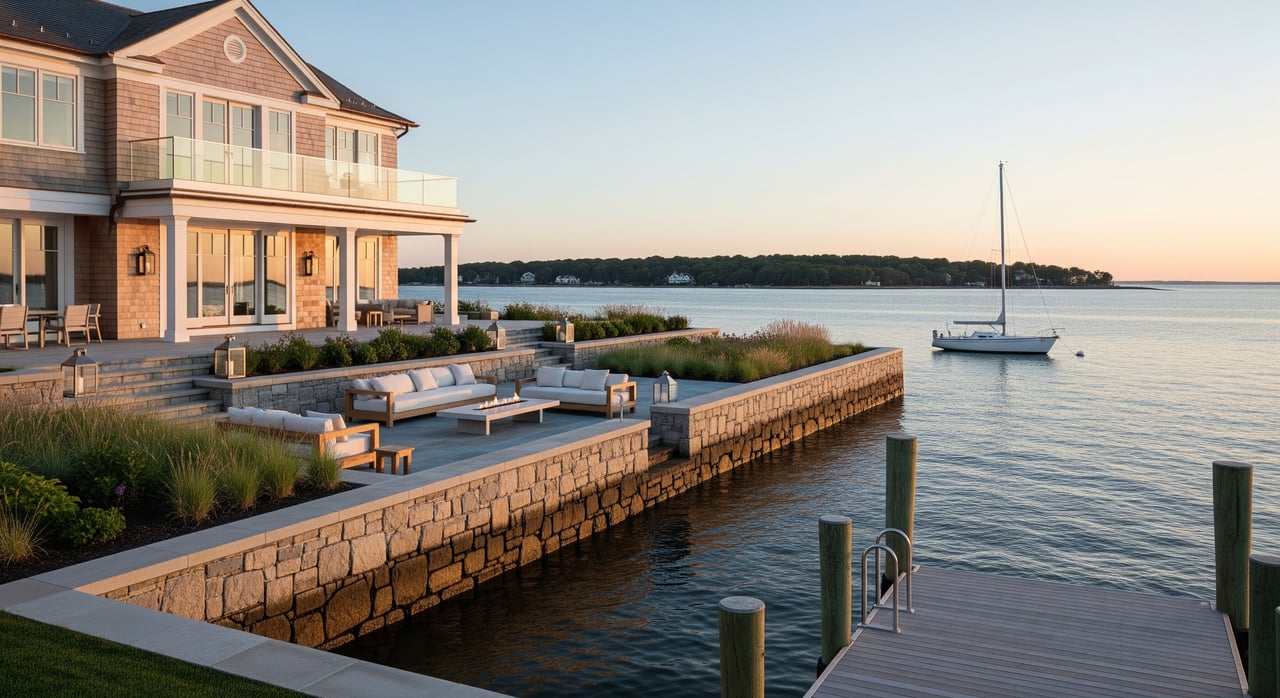
Picture your morning coffee with quiet bay views, seabirds cutting across the sky, and the soft hum of a boat in the channel. If you’re considering Centerport on Long Island’s North Shore, you’re likely weighing that calm, coastal feel against day‑to‑day needs like commute, upkeep, and seasonal rhythms. In this guide, you’ll learn how waterfront living here actually works, from boat access and beaches to insurance, permits, and maintenance. Let’s dive in.
Centerport at a glance
Centerport is a small hamlet within the Town of Huntington in Suffolk County. It sits on Northport Bay with views and water access that connect to the Long Island Sound. You get a strong maritime vibe, fewer commercial areas in the hamlet, and easy reach to nearby Northport and Huntington for groceries, dining, culture, and Long Island Rail Road service.
The housing mix ranges from historic and mid‑century homes to modern rebuilds on the water. You’ll see year‑round residents alongside seasonal owners. Summer feels active on the shoreline. Off‑season is quieter and more reflective.
Types of water access
Water access varies by street and shoreline. What you can do on a given property depends on lot size, elevation, and local rules.
- Private lots. Many waterfront homes have bulkheads, stairs to the water, and in some cases private docks or moorings. The setup depends on the shoreline and permits in place.
- Public spots. Centerport has limited public beaches and small access points. Expect fewer big marina facilities right in the hamlet.
- Nearby marinas. Larger marinas, boatyards, and yacht clubs are typically in Northport Harbor, Huntington, Port Jefferson, and other nearby harbors. Many Centerport residents keep their boats there for slips, service, and winter storage.
Daily rhythms on the water
From late spring through early fall, the bay comes alive. Powerboats, sailboats, kayaks, and paddleboards are common. Inshore fishing, clamming where allowed, and wildlife watching are popular. Cooler months bring calmer waters and occasional seal sightings.
Tides shape your day. Views and water depth shift with the tide, and some areas are shallow or rocky. Marked channels offer deeper access. Water quality advisories and shellfish closures can occur and are issued by county and state agencies. Always check current guidance before swimming or harvesting shellfish.
What homes look like
You’ll find a wide range of styles and lot types along the shoreline and just inland.
Waterfront homes
Many older cottages and mid‑century homes sit next to renovated or rebuilt luxury properties. Shoreline lots often have varying widths, existing bulkheads, and tighter setback options. Newer builds tend to be elevated to address flood risk. Some properties offer private docks or moorings where allowed.
Inland options
A short distance from the water, you’ll see single‑family homes on moderate lots and some larger parcels with wooded buffers. Most residents rely on nearby centers for shopping and dining. The overall feel remains residential and low‑key.
Costs and upkeep to plan for
Waterfront living brings unique costs. You should plan for them early to avoid surprises.
- Property taxes. Taxes tend to be higher than many inland parts of Suffolk County.
- Insurance. Flood and wind coverage can increase premiums. Elevation, construction, and flood zone all affect cost.
- Maintenance. Bulkheads, seawalls, and docks need periodic repair. Salt air and storms can increase wear on exterior finishes and systems.
- Potential assessments. Coastal protection or shoreline work can lead to special expenses over time.
Boats, moorings, and slips
If boating is central to your lifestyle, look closely at the logistics.
- Moorings and slips are regulated by the harbormaster or private facilities, and waiting lists can exist. Some owners maintain small private docks where permitted.
- Many residents trailer smaller boats, use nearby marinas for larger vessels, or combine both approaches.
- Activity peaks in late spring through early fall. Visit in different months to see how busy the water gets at your preferred times.
Permits, rights, and shoreline work
Waterfront improvements usually require approvals from multiple agencies. This is common across the North Shore.
- Riparian access does not mean automatic approval to build a dock or install piles. Dock construction, bulkheads, and moorings often need permits from town departments, county health authorities, state agencies, and sometimes federal bodies.
- Repairs to existing bulkheads and seawalls also typically need permits and may trigger environmental review.
- Shellfishing, beach use, and boat discharge are regulated. Closures and rules can change by season and conditions.
The takeaway is simple. Before you plan any project, confirm what is allowed on your exact parcel and shoreline.
Flood, storms, and resiliency
Coastal properties face storm surge and flooding during major nor’easters and tropical systems. Even elevated homes can see temporary access or utility issues.
- Flood zone status matters. Many buyers order FEMA flood map checks and ask for elevation certificates. Insurance quotes will vary by zone, elevation, and building features.
- Erosion and shoreline change can affect long‑term stability. Bulkhead condition and drainage are important parts of a property inspection.
- Newer construction and significant renovations often must meet minimum elevation and flood‑resistant building standards. Plan design and budgets with these rules in mind.
Utilities, roads, and services
Infrastructure can differ by street and neighborhood. This affects daily life and renovation plans.
- Sewer vs septic. Confirm whether a home connects to a municipal system or relies on on‑site septic. Septic rules can limit expansion or bedroom count.
- Road access. Some waterfront streets are narrow, private, or have restricted parking. Winter snow and storms can slow access on smaller roads.
- Emergency services. Check local fire and EMS coverage and response expectations for your block.
Schools and boundaries
School district boundaries can affect your search. Parts of Centerport feed into the Northport‑East Northport School District. Always verify attendance zones and any program details directly with the district, since boundaries and offerings can change.
Try‑before‑you‑buy tips
A little fieldwork goes a long way on the waterfront. Use this quick checklist to stress‑test a property and the lifestyle.
- Visit in multiple seasons, weekdays, and weekends. Note tides, traffic, and noise.
- Walk bulkheads and stairs. Ask for maintenance records and age of seawalls and docks.
- Confirm zoning, permits, and any association rules for boats and shoreline work.
- Check flood maps, elevation details, and get insurance quotes early.
- Verify sewer or septic status and any utility easements.
- Talk to neighbors about winter access and past storm impacts.
- If a slip or mooring matters, contact nearby marinas and the harbormaster about options and wait times.
Is Centerport right for you?
Choose Centerport if you value a strong maritime setting, quieter streets, and close access to Northport and Huntington for daily needs. Expect a seasonal rhythm on the water and plan for higher upkeep on shoreline structures. If you prefer more walkable commercial hubs or want large public marina facilities right in town, you may lean toward nearby harbors instead.
If Centerport matches your goals, it can deliver a rewarding lifestyle with daily water views, easy access to boating, and memorable sunsets over the Sound.
Ready to explore the right streets, shorelines, and properties with a local advisor who understands the permits, flood maps, and value drivers that matter on the North Shore? Connect with Scott Van Son to map your options and move forward with confidence.
FAQs
What is waterfront access like in Centerport for boat owners?
- Many homes have bulkheads and some have private docks or moorings where permitted, while others rely on nearby marinas in Northport, Huntington, and Port Jefferson for slips and service.
Are there public beaches or parks in Centerport?
- Public access exists but is limited in size and number compared to larger harbors, so many residents use small local spots or head to nearby town facilities.
How do flood zones affect buying a Centerport waterfront home?
- Flood zone and elevation drive insurance costs and building requirements, so buyers typically check FEMA maps, seek elevation information, and get quotes during due diligence.
Can you build or extend a private dock in Centerport?
- Dock construction or alterations usually require permits from town, county, and state agencies, and may involve environmental review depending on scope and location.
Where can you find slips and winter storage near Centerport?
- Most owners look to marinas, boatyards, and yacht clubs in Northport Harbor, Huntington, Port Jefferson, and other nearby harbors for seasonal slips, storage, and repairs.
What inspections are important for a waterfront home in Centerport?
- In addition to the general home inspection, evaluate bulkheads, seawalls, stairs, docks, drainage, and the shoreline for condition, permits, and maintenance history.