If you are drawn to the water in Halesite, you are not alone. The right combination of harbor access, moorings or a marina slip can boost day-to-day enjoyment and your long-term resale value. At the same time, permits, flood risk, and maintenance can change your bottom line. In this guide, you will learn how moorings and slips work here, what they cost, and how they influence waterfront ROI and resale. Let’s dive in.
Why Halesite waterfront holds value
Halesite sits on Huntington Harbor in the Town of Huntington, with quick access to Cold Spring Harbor and Long Island Sound. You have town-managed marinas, public launch options, and a tight-knit waterfront community. The hamlet is small, which means access is limited and often in high demand.
Public investment adds to buyer appeal. The Town announced a renovation of Halesite Marina Park in late 2023, including bulkhead work and expanded floats. You can review the local coverage of the project and check the Town for current status updates at the time you buy or sell. See the Halesite Marina Park project announcement.
Local listing snapshots for Halesite and nearby Cold Spring Harbor often show prices in the high six to seven figures. That context helps frame how rare, verified water access can support premiums, especially when maintenance and risk are addressed up front.
Slips vs moorings: the ROI basics
Marina slips in Halesite
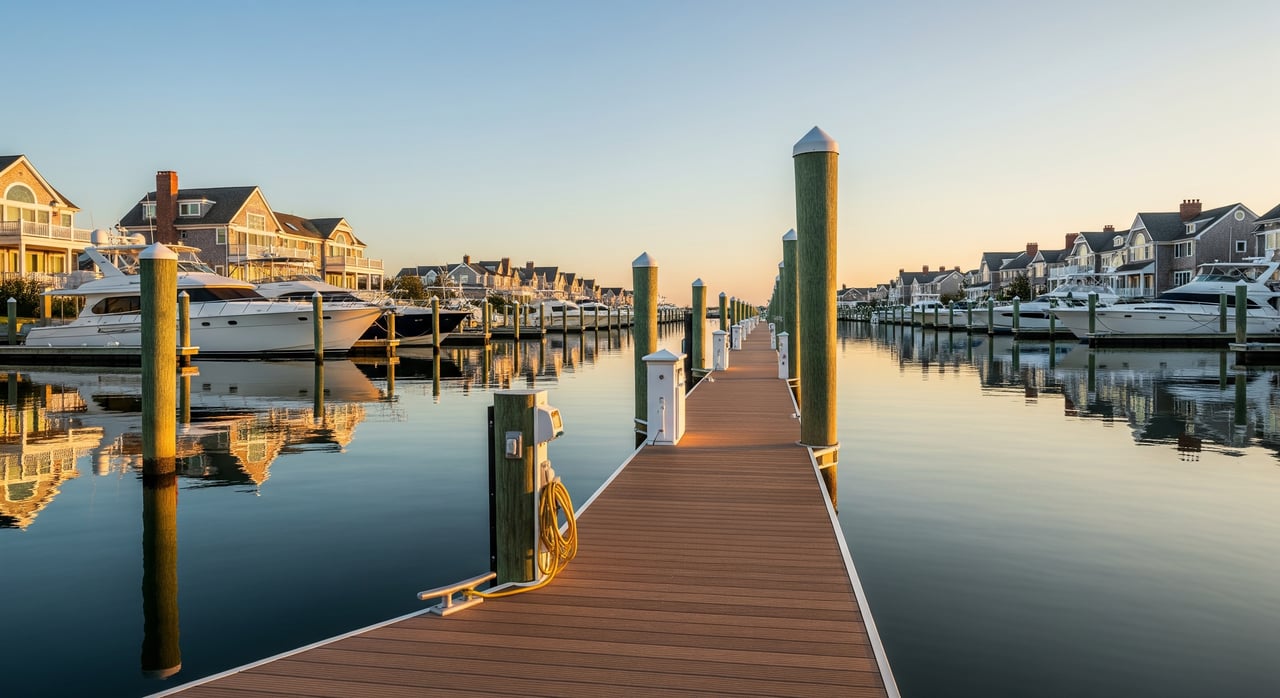
Town-managed marinas like Halesite Marina and Mill Dam Marina lease slips by boat length. Historically published annual fees have been around $120 per foot for boats 20 feet and under and $130 per foot for 21 feet and up. Availability and waitlists are handled by the Harbormaster. Transient tie-up near the Harbormaster area is limited and typically short duration. For current fees, rules, and contacts, see the Town’s marinas and boat slips page.
What this means for ROI: a confirmed slip can improve day-to-day usability and buyer confidence. If you do not have a slip, proximity to town marinas still helps, but a long waitlist can temper value.
Mooring permits and launch service
The Town issues seasonal mooring permits with different resident and nonresident fees, and it operates a launch service for moored boats. Published examples have shown resident mooring permits as a nominal fee and higher rates for nonresidents, along with seasonal launch passes. Confirm application windows, pricing, and any waitlist with the Harbormaster on the Town’s Maritime Services page.
What this means for ROI: a well-located, permitted mooring plus reliable launch access can be a strong alternative to a slip. It usually costs less than a slip, which can improve annual carrying costs for owners.
Access scarcity and buyer demand
Private marinas and clubs that serve Halesite and Cold Spring Harbor can run at capacity and maintain waitlists. When access is scarce, buyers often place a premium on properties with documented, permitted water access. If access is uncertain, buyers may discount for uncertainty and future costs.
Regulations that shape value
Dock and bulkhead permits
New York State DEC regulates docks, piers, bulkheads, and work in tidal wetlands. Many projects require authorization, and the state has a general permit framework for eligible activities. Before you plan a replacement or expansion, review the DEC’s tidal wetlands permit program and speak with a qualified contractor. Work without permits can trigger enforcement and affect resale.
Town rules and transferability
The Town of Huntington Harbormaster administers local mooring permits, launch operations, and transient docking rules. Municipal moorings and slips typically do not transfer with a home sale. Always confirm whether any slip, mooring, or storage arrangement conveys, and document it clearly with the operator and in your contract. Start with the Town’s Maritime Services.
Flood zones and insurance
If a property lies in a FEMA Special Flood Hazard Area, most lenders will require flood insurance. Look up the property on FEMA’s Flood Map Service Center and consider an elevation certificate where needed. Flood insurance premiums vary based on risk, elevation, and whether coverage is through the NFIP or private carriers. For context on costs, see Bankrate’s overview of flood insurance pricing factors.
Long-term coastal risk
Long Island’s coast is projected to face rising sea levels and more frequent coastal flooding over time. For planning, review national and state resources on coastal change and sea level rise, such as NOAA’s sea level rise topic. Buyers and sellers should weigh long-term exposure when budgeting for maintenance and holding periods.
Costs that affect your bottom line
Building or upgrading a dock
Installed dock costs vary by design and materials. Floating docks often range roughly from the mid teens to around $60 per square foot, and coastal sites on Long Island tend to fall in the low to mid 30s per square foot or higher. See national guidance on dock construction costs and request local quotes for accuracy.
Bulkhead repair or replacement
Bulkhead work can be a major line item. Published ranges on Long Island commonly run from several hundred dollars to more than $1,600 per linear foot depending on materials and complexity. Review examples from a local contractor on bulkhead repair and replacement and obtain site-specific estimates.
Ongoing marine expenses
Factor in boat lifts, dock electrical and lighting, seasonal haul and launch, winterization, and potential dredging. Public marinas and private facilities price these services separately. Add these to your annual ROI model.
Insurance and carrying costs
Flood insurance is separate from homeowners insurance and can vary widely. Early quotes and an elevation certificate, where applicable, help you compare NFIP and private-market options. See an overview of flood insurance cost drivers.
Harbor depth and vessel fit
Huntington and Cold Spring Harbor facilities commonly list maintained depths around 7 to 10 feet in managed areas. Channels, shoals, and seasonal conditions matter for boat length and draft. For practical local navigation details and pumpout locations, consult the Huntington Boating Council’s resources, then confirm specifics with the Harbormaster before you make vessel decisions.
Resale strategy in Halesite
For sellers, position the property to reduce uncertainty and spotlight usability:
- Highlight verified, permitted water access. Provide copies of permits and recent inspections.
- Document any recent bulkhead, dock, or electrical upgrades with invoices and warranties.
- Note harbor depth suitability for typical local boats and nearby municipal amenities such as the town launch and any marina park improvements.
- Disclose flood zone, flood claims, and maintenance history. Transparency builds trust and protects value.
For buyers, align access with your boating goals and budget:
- Decide on slip versus mooring based on boat size, draft, and preferred convenience.
- Verify permit status, transferability, and waitlists before you price an offer.
- Budget for near-term and lifecycle marine work. Get quotes from local marine contractors.
- Check flood zone and obtain insurance quotes before you finalize terms.
- Consider long-term coastal exposure in your holding-period plan.
Quick checklist
- Confirm mooring or slip terms and whether anything conveys with the sale using the Town’s marinas and boat slips and Maritime Services pages.
- Verify permits for any dock or bulkhead with the DEC’s tidal wetlands program.
- Look up the property’s FEMA flood zone on the Flood Map Service Center and get flood insurance quotes early.
- Estimate near-term costs for dock, bulkhead, and seasonal services using reputable guides and local bids.
- Check typical harbor depths and navigation considerations via the Huntington Boating Council, then confirm with the Harbormaster.
Bottom line: In Halesite, well-documented, convenient water access can enhance lifestyle and resale. The best returns come when you pair access with sound permits, realistic cost planning, and clear disclosures.
Ready to model your specific options or position a Halesite waterfront listing for top-of-market results? Connect with Scott Van Son for local, data-driven guidance.
FAQs
How do marina slip fees work in Halesite?
- The Town leases slips by boat length, with historically published per-foot rates and waitlists managed by the Harbormaster; check the Town’s marinas and boat slips page for current schedules.
Do Halesite mooring permits transfer when a home sells?
- Municipal moorings and slips typically do not transfer with a property sale; verify terms directly with the Harbormaster via Maritime Services and document any arrangements in your contract.
What permits are needed to replace a dock or bulkhead in Halesite?
- Many dock and bulkhead projects require New York State DEC tidal wetlands authorization and may need Town approvals; start with the DEC’s tidal wetlands permit program and consult qualified marine contractors.
How can I check if a Halesite home needs flood insurance?
- Look up the address on FEMA’s Flood Map Service Center; if the home is in a Special Flood Hazard Area and you are financing, your lender will likely require flood insurance.
How deep is Huntington Harbor for common boat drafts?
- Managed areas often list depths around 7 to 10 feet, but channels and shoals vary; review the Huntington Boating Council’s information and confirm current conditions with the Harbormaster.
What is the status of the Halesite Marina Park renovation?
- The Town announced the project in late 2023; see local coverage of the Halesite Marina Park project and check Town updates for the latest timing and features before you buy or sell.